What to ask when contacting a manufacturer for the first time?
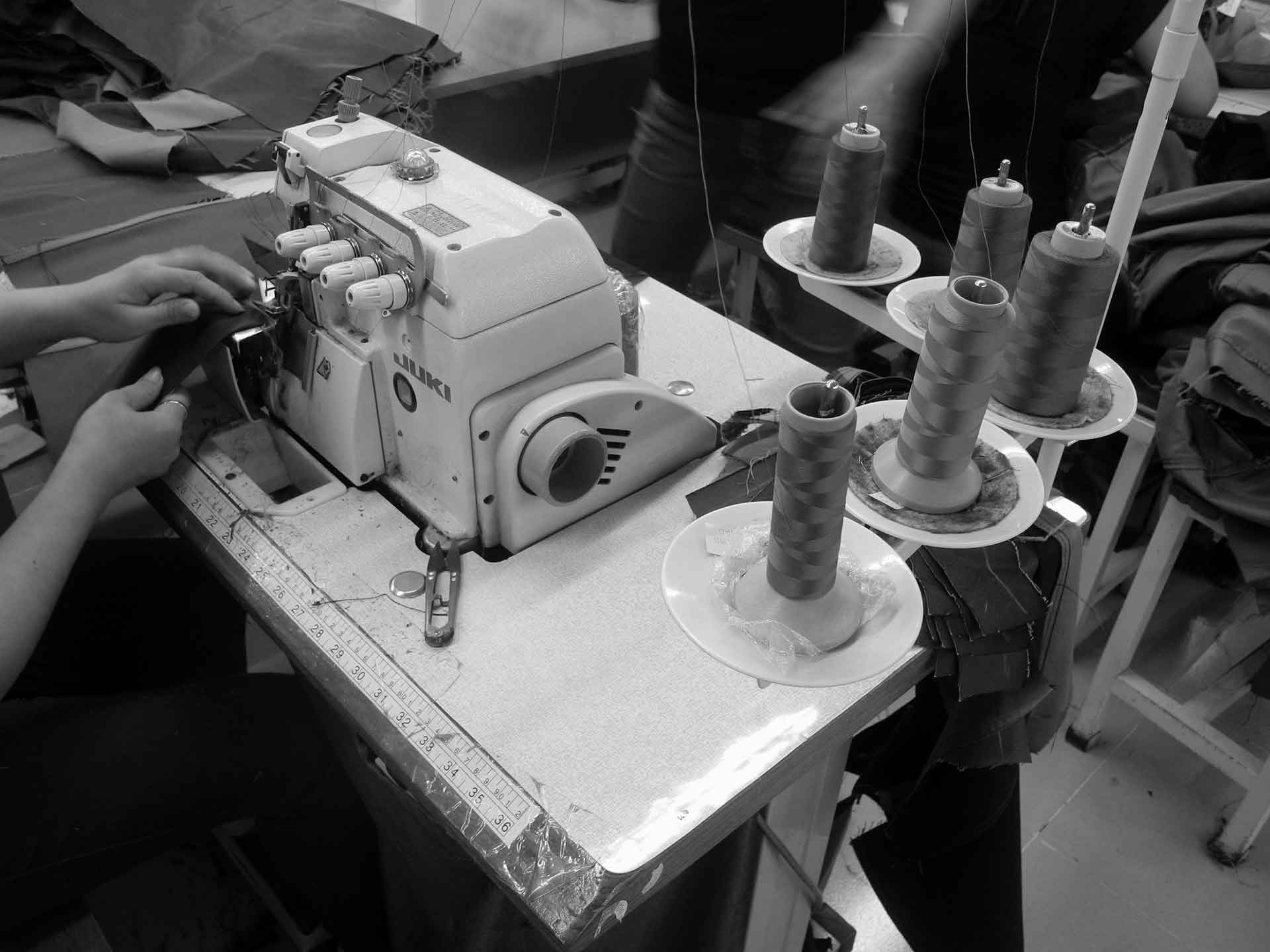
[/vc_column_text][/vc_column][/vc_row][vc_row][vc_column][vc_column_text]Before start selling your collection you need to find a manufacturer. The first reason is that you need to know that your quality standards are met and that the sales samples will look like the products you will sell. Secondly you need the cost estimations from your intended manufacturer. Costs vary from factory to factory, and you need to be on top of your price calculations and business model before kicking off.
Finding a good manufacturer is a big and important challenge for the sportswear company. There are many ways to find factories; trade shows, online, contacts, branch organisations, etc. But it can be really tough finding a factory that suits your needs in terms of communication, quality, and delivery. One time, we started working with, what we thought was, a great factory that promised the moon. Six months later it turned out that they weren’t at all capable of making the product we asked for. So that is a long time down the drain. Recommendations are of course gold worth, and if you already have found a good manufacturer make sure to nurture that relationship. Don’t push them and treat them like crap thinking that you easily can replace them with another factory. You can’t. So in order to improve your changes of a successful cooperation with a factory there is a range of questions you can ask. Once you have made your shortlist of manufacturers it is time to pick up the phone and start calling. Pose these questions to see if there could be a fit between your brand and their manufacturing.
This Course will guide you through our proven 6-step success blueprint, on how to go from just an idea, to learning exactly what it takes to launch your own profitable sustainable apparel brand.
This website uses cookies to improve your experience. If you continue to use this site we'll assume you're ok with our terms.AcceptRead More
Privacy & Cookies Policy
Privacy Overview
This website uses cookies to improve your experience while you navigate through the website. Out of these cookies, the cookies that are categorized as necessary are stored on your browser as they are as essential for the working of basic functionalities of the website. We also use third-party cookies that help us analyze and understand how you use this website. These cookies will be stored in your browser only with your consent. You also have the option to opt-out of these cookies. But opting out of some of these cookies may have an effect on your browsing experience.
Necessary cookies are absolutely essential for the website to function properly. This category only includes cookies that ensures basic functionalities and security features of the website. These cookies do not store any personal information.
Let’s grow your brand!
Sign up for The Apparel Entrepreneurship Newsletter, giving you industry updates, content, tools, inspiration, guides, and special offers.
Your data will be handled according to our privacy policy.